
December 22, 2025 | Brandon Hastings
10 min read
In the dynamic landscape of modern healthcare, practitioners across diverse settings—from hectic emergency rooms to routine family practices—are regularly faced with a wide spectrum of conditions, including wounds (and a wide spectrum of those at that).
While complex or chronic wound management is the domain of specialists, the initial assessment and treatment often fall to the first clinician to see the patient. This first intervention is a critical moment, as it can profoundly influence a patient’s healing trajectory, infection risk, and final cosmetic outcome.
Here we’ll explore a foundational, evidence-based roadmap for non-wound care specialists, focusing on basic wound care steps and principles for assessing, treating, and managing common acute wounds. The goal is to empower you with the knowledge to make timely, informed decisions that set the stage for optimal recovery with any type of wound that might come into your clinic.
Decisive Early Wound Care Steps
Proper management of an acute wound begins well before any tools are picked up. The first 60 minutes after an injury—typically referred to as the “golden hour”—offer a critical window that sets the stage for everything that follows.
Treatment begins with two essential components: a thorough assessment and careful cleansing and preparation.
Wound Assessment
A thorough wound assessment is the first in a series of basic wound care steps—after you’ve stopped any bleeding.
- Gather patient history: Begin with a comprehensive patient history, asking about the mechanism of injury, time of occurrence, and any contaminating factors (e.g., dirt, rust, or animal saliva). Feel free to prompt the patient if they’re not sure what might be considered “contaminating”. This context is critical for gauging infection risk and potential for underlying damage.
- Examine injuries: Next, perform a meticulous physical examination to look for associated injuries. A simple laceration on the surface might mask deeper tissue damage, nerve impairment, or vascular compromise. Consider this also for puncture wounds (or even undermining wounds, though those are less likely to walk through your door), which will look small on the surface, but will extend much deeper below the surface of the skin. This is particularly important for wounds on the hands and feet, which have complex anatomy.
- Address pain management: Once a comprehensive view of the wound is formed, pain management becomes a priority. Timely and effective pain control is crucial for both patient comfort and to allow for a more thorough, less stressful examination and procedure.
- Determine infection risk: Finally, make an early determination of infection risk. Factors like delayed presentation, patient comorbidities (e.g., diabetes), bite wounds, or gross contamination with foreign bodies all increase the likelihood of infection and warrant specific, often more aggressive, prophylactic measures.
Cleansing and Preparation
Ensuring a wound is properly cleansed and prepared for healing is the next phase of care.
- Achieve hemostasis. If the wound starts bleeding again, it’s critical to achieve hemostasis. While this may seem obvious, controlling active bleeding through direct pressure, elevation, or other appropriate methods is always the initial priority before any further wound care.
- Irrigate and cleanse. Once bleeding is controlled, proceed with irrigation and cleansing. High-pressure irrigation is the gold standard for removing debris, bacteria, and foreign particles, which directly reduces the bacterial load. Use normal saline as the preferred irrigant, as it is physiologically benign and effective.
- Decide on debridement. Finally, consider the need for debridement. This is the process of removing nonviable, contaminated, or damaged tissue from the wound bed. Selective debridement promotes a healthier healing environment and is essential for reducing infection risk and encouraging tissue regeneration. In general, this is going to be performed more in emergency settings than primary care ones, but it’s always a good idea to be aware of the process and how to assess whether a wound needs to be debrided.

Understanding Common Wound Types and Their Specific Needs
Not all wounds are created equal. Recognizing the distinct needs of common wound types is fundamental to providing optimal care.
Lacerations
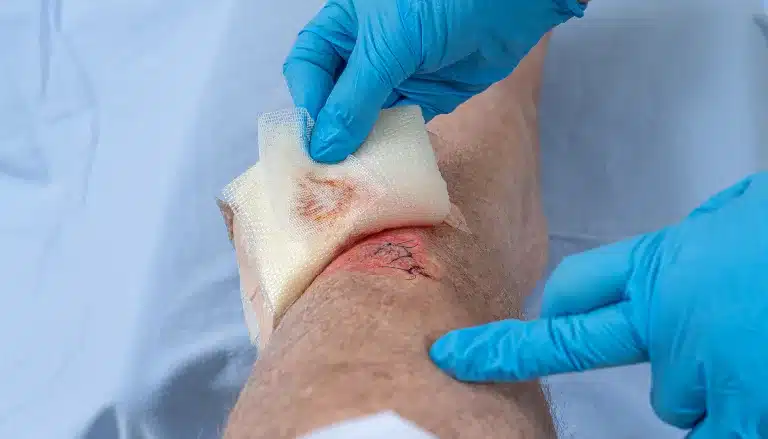
Emergency rooms treat an estimated six million patients every year for lacerations. These tears in the skin are among the most frequent acute wounds encountered. They can range from a simple, clean cut with sharp margins to a complex, jagged tear with irregular tissue loss.
Initial management hinges on the principles of primary closure. For clean, linear wounds presenting within the “golden hour,” primary closure with sutures, staples, or tissue adhesives is often the preferred method. This practice reduces healing time and minimizes scarring.
For more complex or contaminated lacerations, delayed primary closure or healing by secondary intention may be more appropriate to prevent infection.
Patient education is also vital. Instruct patients to monitor for signs of infection (e.g., increased pain, swelling, redness, or purulent discharge) and provide clear guidance on proper wound care and when to seek follow up.
Abrasions
Commonly known as scrapes, abrasions are superficial wounds caused by friction against a rough surface. The primary challenge with abrasions is the high likelihood of embedded dirt, gravel, or other foreign material. Therefore, the initial assessment and treatment should prioritize thorough cleansing and inspection of the entire wound surface.
Aggressive irrigation with normal saline is essential to remove all particulate matter. Then it’s important to properly cover the abrasion to protect it and keep it from drying out. Research has shown that wounds kept in a moist environment heal up to 50% faster than dry ones.
Use of occlusive or semi-occlusive dressings helps maintain this ideal environment. This approach not only speeds recovery but also helps minimize scarring by preventing the formation of a hard, thick scab.
Puncture Wounds
Puncture wounds, caused by a sharp object penetrating the skin, pose a unique and high risk of infection. While often appearing innocuous on the surface, their depth and narrow opening can trap bacteria and foreign material, which creates a perfect environment for the growth of anaerobic bacteria—microorganisms that can survive and thrive in the absence of oxygen.
Still, whether to use primary closure or delayed/no closure is debated in the literature. Primary closure may increase the risk of wound infection. Delayed closure may increase healing time but potentially reduce the risk of wound infection. “Health care providers should therefore follow current practice guidelines developed based on experience. […] The superiority of one intervention over the other is yet to be determined,” says the authors of an article on primary closure vs delayed closure for non-bite traumatic wounds.
A thorough history of the patient’s immunization status and a consideration for a tetanus booster or immunoglobulin is critical. Furthermore, if a foreign body (such as a wood splinter or glass) is suspected, imaging or surgical exploration may be necessary to prevent complications.
Burns
Burn injuries are classified by their depth and pose a significant risk of infection, fluid loss, and permanent scarring. Initial management of this wound type is distinct from others.
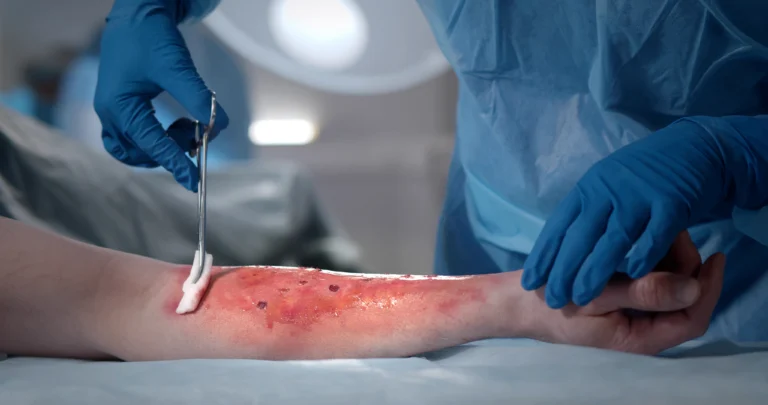
Immediate cooling of the burn with cool (not cold) running water for at least 20 minutes within the first three hours is essential to stop the burning process and reduce tissue damage. After initial cooling, the burn should be covered with a sterile, non-adherent dressing—hydrogel dressings in particular are associated with desirable healing outcomes.
Fluid resuscitation is critical for more extensive burns, as these injuries can cause a significant shift of fluid from the bloodstream to the burn site. The care of burns is a specialized field, and any burn greater than a small, superficial burn should be referred to a burn specialist or a hospital with a dedicated burn unit for proper management.
The Critical Link: Intervention, Healing, and Patient Outcomes
The meticulous steps taken in the immediate aftermath of a wound occurring are critically linked to the success of the healing process, influencing everything from infection rates to the final cosmetic outcome.
Infection Prevention and Control
Correct and timely intervention significantly reduces the rate of wound infection. For example, studies on open fractures have shown that timely surgical debridement and early antibiotic administration can dramatically reduce the risk of infection. This underscores that reducing the bacterial load early is far more effective than trying to manage a full-blown infection later.
Still, while prophylactic antibiotics have their place, they are not a substitute for proper wound care. Judicious use of antibiotics is paramount to combatting the global rise of antimicrobial resistance.
The decision to prescribe antibiotics should be based on a clear risk assessment, considering factors like the depth of the wound, the degree of contamination, the patient’s comorbidities, and the mechanism of injury (e.g., animal bites).
Further, that decision should be made while clear headed—keen awareness of your mental state is important. Why do we bring this up? A study on clinicians prescribing antibiotics found a link between “decision fatigue” (with general fatigue being a potential contributor) and overprescribing antibiotics.
Minimizing Scarring
The foundation of a good cosmetic outcome is a clean, properly closed wound. When a wound is meticulously cleaned and the tissue edges are approximated with care, the body has a clear, well-structured template for healing. This process, known as primary intention wound healing, facilitates organized collagen deposition, which is key to a fine, less noticeable scar.
Additionally, the initial intervention directly influences the four phases of wound healing: hemostasis, inflammation, proliferation, and remodeling. By controlling bleeding and removing contaminants, you can prevent an exaggerated inflammatory response, setting the stage for a more efficient and less chaotic proliferative phase.
During maturation, proper tissue alignment from closure ensures collagen fibers organize in a way that provides both strength and a more aesthetic final presentation.
Lastly, patient education is a critical component of wound management. Your efforts as a practitioner can be hindered or even undone if a patient does not follow proper at-home care instructions.
Ensuring patients understand how to keep the wound clean, when to change dressings, and the importance of avoiding activities that could stress the wound is crucial for preventing infection and achieving an optimal cosmetic outcome.
| Checklist: Basic Wound Care Steps Here’s a summary checklist of basic wound care steps you can quickly reference for various types of acute wounds. Bleeding control: Achieve hemostasis by applying direct pressure or using other hemostatic agents as clinically appropriate. Initial assessment: Perform a detailed assessment, including patient history, wound characteristics (size, depth, location), and signs of associated injuries. Pain management: Administer local anesthesia or appropriate systemic pain relievers to ensure patient comfort and allow for a thorough examination. Wound cleansing: Vigorously irrigate the wound with saline solution using a syringe and a splash guard or a high-pressure system to remove debris and bacteria. Debridement: Carefully remove all nonviable, contaminated, or devitalized tissue to create a healthy wound bed conducive to healing. Dressing/closure: Select the most appropriate method for wound closure (sutures, staples, tissue adhesive) or opt for a sterile dressing if the wound is best left to heal by secondary intention. Tetanus prophylaxis: Check the patient’s immunization history and administer a tetanus booster or immunoglobulin as indicated by the wound type and last vaccination date. Antibiotics: Make a risk-based decision on prophylactic antibiotics, considering factors such as the wound’s mechanism of injury (e.g., animal bite), its level of contamination, and any patient comorbidities. Patient education: Provide clear, concise instructions on at-home care, including signs of infection to watch for (such as increased pain, redness, swelling, or drainage), proper dressing changes, and follow-up appointment scheduling. |
Mastering Basic Wound Care Steps for Better Patient Outcomes
A smooth, uncomplicated recovery hinges on the quality of the initial intervention. Every step, from the first assessment to the final instruction, is a decisive factor in the patient’s healing journey.
While the field of chronic wound care is a specialized domain, the foundational principles for managing acute wounds are essential tools for every practitioner. If you consistently apply evidence-based practices like the ones above, not only can you reduce a patient’s risk of infection and complications but also lay the groundwork for a more efficient, complete, and aesthetically pleasing resolved wound.