
December 15, 2025 | Jessica Thomas
10 min read
Nurses are the foundation of patient care, serving as a critical link between patients, physicians, and the healthcare system. They’re not merely observers but active advocates and educators, guiding patients and their families throughout the entire care journey. Given their direct and continuous proximity to patients, nurses are uniquely positioned to build trust, improve patient understanding of treatment plans, and drive adherence to key care protocols.
So what happens when there isn’t enough of them?
Nurses are the glue that holds the healthcare system together, but this essential foundation may be at risk. The escalating nursing shortage threatens to compromise patient safety and potentially destabilize the quality of care across the nation. So why is there a nursing shortage, and what solutions can we tackle as an industry to help change this?
Unpacking The Nursing Shortage Paradox
By definition, a nursing shortage exists when there aren’t enough qualified nurses to meet a population’s healthcare needs. The United States is currently experiencing this phenomenon, which can seem like a paradox when it appears that new nurses are entering the field all the time.
For instance, according to the American Association of Colleges of Nursing, nursing is the United States’ largest healthcare profession. Additionally, the Journal of Nursing Regulation found that in 2024, there were 5,641,311 registered nurses (RNs) and 968,948 licensed practical nurses (LPNs)/licensed vocational nurses (LVNs).
Now, let’s compare that to 2022. At that time, the total number of active RNs and LPNs/LVNs was 5,239,499 and 973,788, respectively, showing an increase of more than 400,000 RNs and a decrease of almost 5,000 LPNs/LVNs.
So is there a nursing shortage? The short answer: kind of. Based on the data, the healthcare system has seen an influx of RNs in just two years, a growth that more than compensates for the decrease in LPNs/LVNs. Yet, despite this net increase in the nursing workforce, the shortage persists. Why is that?

Why Is There a Nursing Shortage?
To understand the nursing shortage paradox, we must examine the complex factors that are at play. According to the National Institutes of Health (NIH), the profession sees shortages due to the lack of potential educators, high turnover, and inequitable workforce distribution. That does give us some insight, but a more thorough analysis is required to really understand the reasons behind even those critical issues. So, let’s explore exactly what factors might be contributing to this growing problem.
A Rising Geriatric Patient Population
By 2030, all baby boomers will be over the age of 65, and by 2050, the number of 85-year-olds is expected to reach 17.3 million; that’s comparable to the current population of New York State.
The medical system has never managed this volume of seniors before, presenting what could be a dual challenge for the healthcare system.
These two prongs are: preparing for the increasing demands and complex healthcare needs of an aging patient population and making sure the system is set up to deliver quality and equitable care to this growing segment of the population. The industry is underprepared for this looming issue, and that’s partially due to the shortage of healthcare providers, including nurses. Even with the number of healthcare workers projected to increase, it’s not enough to accommodate the heightened demand.
Consider how even now, heavy workloads and stress from patient demands are fueling high turnover, which, in turn, contributes to the nursing shortage.
An Aging Labor Force
Not only is the patient population aging, but so too is the nursing workforce serving them, creating a significant demographic shift. Although the average age of the RN workforce has actually decreased to around 44, signifying a younger group, many nurses are retiring, thus creating a knowledge gap.
With nearly one-third of the nursing workforce reaching retirement age in the next 10 to 15 years, we’ll be losing valuable nurse faculty. This faculty shortage leads to enrollment limitations, which can limit the number of nurses a school can produce. The loss of these experienced instructors can cause the overall quality of programs and classes to decline.
Think about how wound care nurses are already few and far between, so their retiring could present a serious challenge for an already strained healthcare system.
Region and Facility Specific Shortage Concerns
Even though significant growth is expected in the nursing field by 2030, and the influx should be enough to replace all of the RNs that will be lost as a part of the retiring baby boom generation, the growth won’t happen uniformly across the nation. Some states will see more rapid retirements and slower replacements among their RN workforce compared to other regions. Rural areas, for example, may be hit harder than urban locations, as fewer nurses are willing to work in those areas as it is.
This issue is particularly pronounced in certain types of facilities. Consider these nursing shortage statistics about the percentage of RNs over 50 in these facilities:
- Public clinics (e.g., rural health centers): 42.4%
- Critical access hospitals: 40%
- Outpatient dialysis centers: 40.5%
- Public health/community health: 41.2%
- Nursing home units not in hospitals: 50%
The high numbers in these areas mean that when this cohort of nurses retires, it will leave a substantial void in the workforce, creating a severe staffing crisis in some of the most critical healthcare settings.
Nurse Burnout
According to a 2022 study, burnout affects one in three registered nurses in the United States. The research also found that hospitals spend an estimated $16,736 per nurse per year on turnover costs attributed to burnout.
But where is the burnout stemming from? The answer is a vicious cycle. The nursing shortage itself leads to inadequate staffing, a stressful work environment, and heavy workloads. These factors, in turn, are the primary causes of nurse burnout. The emotional strain of caring for sick or dying patients, combined with a lack of good management, pushes many nurses to leave the profession entirely, thus contributing to high turnover and exacerbating the very shortage that caused the problem in the first place.
Just look at what occurred during the COVID-19 pandemic. Nurses experienced high levels of burnout from working in a high-risk environment with insufficient materials and minimal staff. The increased workload and lack of specialized training regarding COVID-19 were contributors as well.
The conditions of that crisis, heavy patient loads, complex care needs, and high stress, are what the nursing workforce now faces every day due to an aging population. As the baby boomer generation enters its senior years, the industry must prepare for these new, long-term demands or risk a permanent state of crisis.
Nursing Shortage Solutions for All
So, this now leads us to the question: how do organizations determine what to do about shortages?
Find Answers in Nursing Shortage Statistics
Admittedly, there’s no one-size-fits-all solution to this issue because each organization is unique, but there are some insights that could help. The American Nurses Foundation, for example, shared some helpful nursing shortage statistics from their survey, including:
- 89% of nurses say their organization is experiencing a shortage
- The inability to deliver quality care is why 36% of nurses intend to leave their jobs
- 47% of nurses under 25 say they’re not or not at all emotionally healthy compared to 19% of those 55 and older
- 46% of intensive/critical care nurses and 46% of emergency department nurses report being not or not at all emotionally healthy
- Only 19% of nurses under 35 believe their organization cares about their well-being
- 52% are thinking about leaving their position, with 63% being under 35
By addressing how nurses feel and why they’re leaving, practices can implement more targeted solutions that have a real impact.
Strategies for Addressing Staffing Allocation
In reviewing the statistics and other available research, it looks like the overarching issue isn’t that the nation doesn’t have enough nurses, at least numbers wise; it’s that the increasing demands, potential knowledge gaps due to retiring workers, and undesirable working conditions that are leading to high turnover.
To alleviate this unconventional nursing shortage then, we must address both the lack of new nurses entering the field due to the limited supply of nursing educators and the systemic issues that are driving current nurses away.
Improve Nurse-to-Patient Staffing Ratios
As mentioned, many nurses intend to leave their jobs because they can’t deliver quality care, often citing unsafe staffing levels where there are simply too many patients for one nurse. Research finds that enforcing a minimum nurse-to-patient ratio policy would be a feasible approach to improving nurse staffing and patient outcomes, though, with good return on investment.
A change to the minimum nurse-to-patient policy at the state, hospital, or even unit-level would be a monumental step toward alleviating nurse burnout, increasing nurse retention, and fostering an organizational culture of well-being. By ensuring that nurses can provide safe and effective care, you’ll directly address a key reason behind turnover while also improving patient outcomes.
Utilize Technology to Leverage Nurse Capabilities
These days, many nurses are spending more time on electronic health records (EHRs) tasks than direct patient care, which is the opposite of what we ideally want to occur with new and better technology. When this happens, it might be a sign that the current solution isn’t working for your staff.
With an optimized EHR, especially one equipped with AI and predictive analytics capabilities, nurses would ideally regain time with patients. There are even studies showing that such technology can enhance personalized healthcare and boost prognosis.
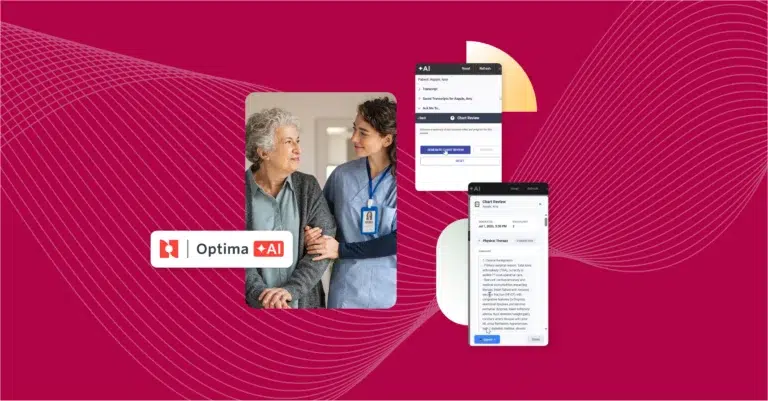
For example, let’s say your wound care department has adopted an EHR platform that can analyze wound images. The AI-powered tool can automatically measure the wound, predict how long the patient will require treatment, and what interventions might maximize healing. This still requires nurses to provide care, but the robust EHR would free up nurses to intervene more proactively, potentially leading to less burnout and turnover.
Offer Accessible Physical and Mental Health Support
It’s no secret that nursing takes an emotional, functional and psychological toll on individuals, which can contribute to burnout and turnover. Healthcare organizations should prioritize nurses having resources that help combat their distress.
For mental health, this might mean offering an Employee Assistance Program (EAP) and 24/7 access to telehealth counseling. It also helps to design a culture of psychological safety in the work environment, so they feel comfortable sharing their concerns.
Regarding physical health concerns, collaborate with your organization’s occupational health and safety department to learn what injuries nurses might be experiencing and find ways to alleviate them. Remember, nurses often encounter safety hazards in their work such as lifting injuries from moving patients, handling of equipment, slips or falls, and patient violence. There are chemical and biological risks as well, like contracting transmissible illnesses and administering medications.
When nurses’ well-being is compromised, increases in medication administration errors can happen, as well as decreases in patient satisfaction and negative effects on coworker morale. Therefore, it’s worth it to invest in giving them an outlet designed for them to thrive.
Optimize Incentives to Boost Retention
People want to feel like their organization values them, and two ways to do that are to offer financial incentives and recognition programs. Schools and healthcare organizations can customize options that address the needs of their workforce with benefits like:
- Competitive pay
- Childcare assistance
- Tuition reimbursement
- Performance bonuses
- Career advancement programs
- Flexible scheduling, as many nurses, often have familial obligations
It’s possible that providing better benefits could attract nurse faculty members nearing retirement, so they stick around longer and can help the next generation of nurses learn and gain experience. It would be advantageous for younger nurses as well, who tend to be motivated by offerings that address modern financial and lifestyle concerns.
Ultimately, a strategic investment in tailored benefits is the most effective way to retain nurses of all ages and build a stable, experienced workforce.
A Continuing Concern: Combatting the Nursing Shortage
The nursing shortage is a critical concern that poses a direct threat to the quality and availability of healthcare, impacting even specialized fields like wound care. When nurses are overburdened and lack the proper tools, their ability to provide the focused, meticulous care that complex cases require is compromised.
As you can see, a multi-faceted approach is needed to address these issues. Organizations should carefully access their processes, see how innovative technological solutions can be implemented, and find ways to empower their nursing staff. The future of healthcare depends on our ability to not only retain our current nurses but to create an environment where the next generation can also thrive.
THE FUTURE OF CARE
Your Guide to Restorative Healthcare Trends
Stay ahead in the ever-evolving healthcare industry with our new Trends Hub. Explore cutting-edge insights and the latest developments shaping the future of care. Your go-to destination for staying informed, inspired, and ready to innovate.