
August 7, 2025 | Net Health
10 min read
Everyone from highly active athletes to sedentary accountants can have their lives changed from physical therapy. Sports injuries can leave athletes on the bench. Neck and back pain can make it difficult for accountants—and many other office workers—to get through the day while sitting at their desks. Physical therapy holds the power to remedy these maladies, getting players back in the field and CPAs back at their desks to score big wins for their teams and clients.
As a physical therapist, you could play a direct role in helping people get back to their normal life, whether that’s safeguarding the quarterback from the defensive line or clients from the IRS.
But before you can get to all that, first you have to complete physical therapy school! That actually may sound scarier than facing either of those two big bads, but this guide will equip you with the knowledge to confidently face your journey to becoming a physical therapist.
What Do Physical Therapists Do?
The scope of practice for a physical therapist (PT) is broad and centers on the examination, evaluation, diagnosis, and physical intervention of individuals with impairments, functional limitations, disabilities, or other conditions related to movement, function, and health.
This encompasses a wide range of activities aimed at alleviating pain, improving mobility, restoring function, and preventing disability. It’s guided by ethical principles, evidence-based practice, and state practice regulations, which can have slight variations.
Essentially, PTs are movement experts who use a variety of techniques to help people move and feel better.
Notably, patient education and preventative care are integral components of a PT’s role. These responsibilities empower patients to understand their condition, actively participate in their recovery, and prevent future problems. Such education and care includes:
- Teaching patients about their diagnosis and the underlying causes of their symptoms.
- Instructing them in proper body mechanics, posture, and lifting techniques.
- Developing home exercise programs to maintain and progress their functional gains.
- Educating them on injury prevention strategies for sports, work, and daily activities.
- Providing guidance on lifestyle modifications to promote overall health and well-being.
Types of Patients
PTs work with diverse patient populations who have a multitude of needs. For example, they help:
- Athletes recover from injuries and optimize performance.
- Elderly individuals maintain mobility and independence.
- Individuals with neurological conditions improve movement and function.
- Pediatric populations address developmental and musculoskeletal challenges.
- Individuals with cardiopulmonary conditions enhance endurance and breathing.
- Women’s health populations address a range of issues specific to women, including prenatal and postpartum pain, pelvic floor dysfunction, and osteoporosis.
- Individuals with amputations regain functional mobility and train with prosthetics.
Types of Conditions
PTs treat a wide range of conditions such as:
- Musculoskeletal conditions that affect muscles, bones, and joints.
- Sports injuries that require specialized rehabilitation.
- Post-surgical issues that need rehabilitation to restore function after operations.
- Neurological conditions that cause physical impairments.
- Balance and vestibular disorders that cause dizziness.
- Headaches of a chronic nature, especially those originating from the neck.
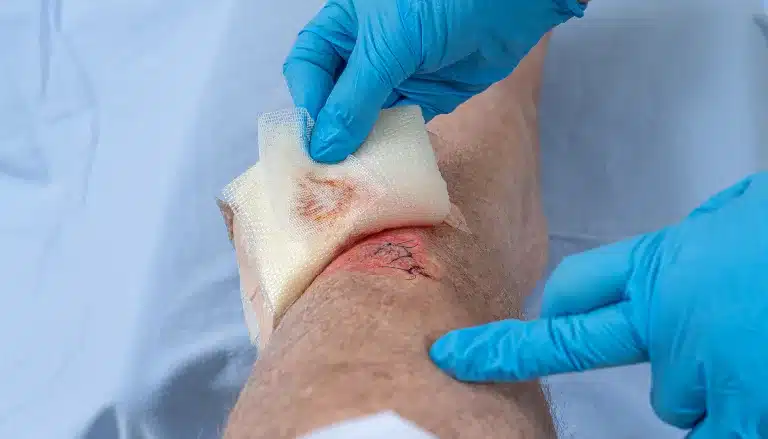
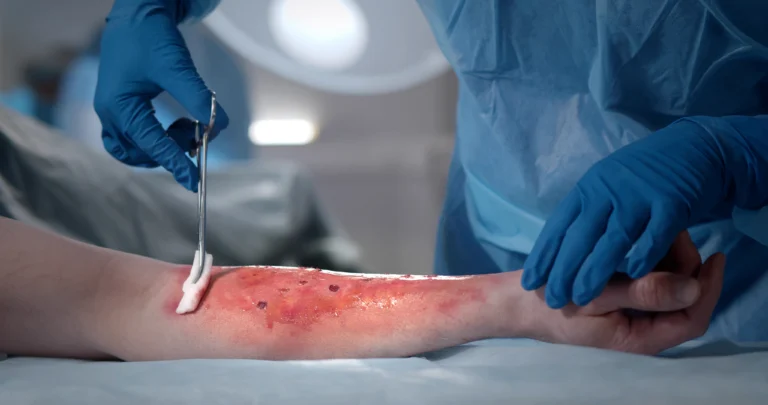
- Wounds of a chronic or complex nature (for PTs who specialize in wound care).
Types of Work Settings
To reach these diverse populations and address these varied conditions, PTs operate in work settings such as:
- Outpatient clinics that include private practices or hospital-affiliated clinics where patients typically come for scheduled appointments.
- Hospitals that include acute care settings, inpatient rehabilitation units, and specialized units like cardiac or neurological rehabilitation.
- Home health settings in patients’ homes with patients that typically have limited mobility.
- Skilled nursing facilities (SNFs) that provide rehabilitation and long-term care for individuals who require a higher level of medical support than they can receive at home.
- Sports facilities and fitness centers where PTs can work directly with athletic teams or premium patrons.
- Schools where PTs can work with children to address developmental delays, motor impairments, and functional imitations that may affect their participation in educational activities.

Navigating Physical Therapy School: Prerequisites & Applications
The journey to becoming a physical therapist requires knowledge in a number of areas. Here’s a walkthrough of the prerequisites and application process.
Admission Requirements
The admission requirements for a Doctor of Physical Therapy (DPT) program can vary between institutions, but these are the common elements.
Bachelor’s Degree
- You must have a bachelor’s degree from a regionally accredited college or university before enrolling in a DPT program.
- The specific major is often not as important as completing the prerequisite coursework, but common undergraduate majors include biology, kinesiology, exercise science, and health science.
Prerequisite Coursework
- DPT programs require specific undergraduate science courses to ensure you have a foundational understanding of the human body and related sciences. Common prerequisites include biology, chemistry, physics, anatomy and physiology, statistics, and psychology.
- Some programs may also require or recommend courses in exercise physiology, kinesiology or biomechanics, medical terminology, mathematics, and English composition or rhetoric.
Grade Point Average (GPA)
- Most DPT programs have minimum GPA requirements for both your cumulative undergraduate GPA and your GPA in prerequisite science courses.
- The minimums often hover around a 3.0 on a 4.0 scale, but successful applicants often have higher GPAs, sometimes averaging 3.5 or above.
- Some programs may also look specifically at your GPA in the last 60-90 credit hours.
- Grades of “C” or better are typically required in all prerequisite courses.
Graduate Record Examinations (GRE)
- Most DPT programs require applicants to take the GRE, which assesses verbal reasoning, quantitative reasoning, and analytical writing skills.
- While some programs have minimum required scores, many take a holistic view of your application. However, competitive scores can strengthen your application.
- The average combined GRE score for accepted students varies by program. It’s advisable to check the typical scores for the programs you are interested in.
- GRE scores are usually valid for five years.
- Notably, some DPT programs have recently made the GRE optional for certain application cycles, so it’s essential to check the specific requirements of each school. For example, Elon University is ending GRE requirements for the cohort beginning in January 2027.
Observation Hours/Clinical Experience
- Gaining experience in physical therapy settings is a crucial part of the application process. Programs want to see that you understand the profession.
- Many programs require a minimum number of observation hours (volunteer or paid) under the supervision of a licensed physical therapist. This can range from 20 to over 100 hours. For example, USC’s DPT program recommends 150 hours of clinical experience in a physical therapy setting.
- Some programs may specify the types of settings they want you to observe in (e.g., outpatient, inpatient, acute care, sports).
- Some programs recommend you seek diverse experiences to gain a broad understanding of the field. You’ll typically need to document your hours, and a supervising PT may need to verify them.
Letters of Recommendation
- You will typically need to submit 2-3 letters of recommendation from individuals who know you well and can speak to your academic abilities, work ethic, character, and potential for success in a DPT program and as a physical therapist.
- Ideal letter writers include science professors, academic advisors, and physical therapists you have shadowed or worked with.
- It’s important to choose recommenders who can write strong, specific letters of support. Provide them with ample time and information about your goals and the programs you are applying for to secure the most compelling recommendations.
Personal Essay/Statement of Purpose
- This is your opportunity to articulate why you want to become a physical therapist, discuss relevant experiences, highlight your skills and qualities, and explain why you are a good fit for the specific DPT programs you’re applying to.
- A compelling essay is crucial for showcasing your passion, understanding of the profession, and communication skills. Tailor your essay to each program if possible.
Importance of Strong GPA & GRE Scores
Graduate school admissions are competitive, and a strong academic record is a key factor in the selection process. Your undergraduate GPA reflects your overall academic performance and ability to succeed in rigorous coursework.
Similarly, the GRE is a standardized test used by many DPT programs to assess applicants’ verbal reasoning, quantitative reasoning, and analytical writing skills.
For example, Texas Tech University requires the GRE and notes average test subscale scores for admitted candidates are 150/170 for verbal, 150/170 for quantitative, and 4.0/6.0 for analytical/writing.
Application
The Physical Therapist Centralized Application Service (PTCAS), one of three CASs offered by the American Physical Therapy Association (APTA), is a convenient online portal that allows applicants to apply to multiple participating DPT programs with one set of application materials.
Instead of filling out individual applications for each school, you enter your biographical information, academic history, transcripts, essay, and other required documents into PTCAS (if you’ve recently completed your bachelor’s degree, you might remember something like this from the Common App).
The service then verifies your application and sends it to the DPT programs you’ve designated. This streamlines the application process significantly. However, it’s important to note that some programs may have supplemental applications or fees that need to be submitted directly to the institution in addition to the PTCAS application.
Navigating Physical Therapy School: DPT Programs
What can you expect in a DPT program? Here’s a breakdown.
Curriculum
The curriculum of a DPT program is rigorous and comprehensive, designed to equip students with the foundational knowledge and clinical skills necessary to become competent and ethical physical therapists. You’ll delve into a variety of subjects, including:
- Anatomy
- Physiology
- Biomechanics
- Kinesiology
- Neuroscience
- Pharmacology
- Pathology
- Therapeutic exercise
- Manual therapy
- Electrotherapy and modalities
- Prosthetics and orthotics
- Cardiopulmonary physical therapy
- Neuromuscular physical therapy
- Pediatric physical therapy
- Geriatric physical therapy
- Evidence-based practice and research
- Professional issues and ethics
- Management and administration
Learning Approach
DPT programs utilize a multifaceted approach to learning, including a blend of classroom learning, lab work, and clinical rotations.
Classroom learning typically includes didactic lectures, seminars, and discussions that provide the theoretical foundation for the profession. This is where you’ll learn the core scientific principles and clinical concepts.
Lab work includes hands-on laboratory sessions that are crucial for developing practical skills. You’ll practice palpation, goniometry (measuring joint angles), manual therapy techniques, therapeutic exercise prescription, and the application of modalities on fellow students or simulated patients. Anatomy labs often involve cadaver dissection, whether physical or virtual.
Exact lab expectations differ among PT schools of course. For example, here’s a description from a lab-centered course on PT examination at Baylor:
This course introduces interview, tests and measures, communication, and documentation skills used in physical therapist practice across multiple clinical settings. Lab activities include psychomotor skill training for vital signs, goniometry, muscle testing, anthropometric measures, and functional mobility skills inclusive of transfers and gait training with assistive devices.
Clinical rotations are immersive, supervised experiences in real-world clinical settings. You’ll have the opportunity to apply the knowledge and skills learned in the classroom and labs under the guidance of licensed physical therapists.
Clinical rotations vary in length and setting (e.g., outpatient orthopedics, acute care, rehabilitation hospitals, skilled nursing facilities, sports clinics) to provide exposure to diverse patient populations and practice areas. These rotations are a significant component of your education, often totaling 30-40 weeks or more.
Importance of Research and Evidence-Based Practice
Research and evidence-based practice (EBP) are integral to the physical therapy profession. DPT programs emphasize:
- Understanding the research process. You’ll learn about different research methodologies, data analysis, and how to critically evaluate scientific literature.
- Critically appraising evidence. You’ll develop the ability to assess the quality and applicability of research findings to clinical practice.
- Applying evidence to clinical decision-making. You’ll integrate the best available research evidence with clinical expertise and patient values to guide treatment interventions.
- Contributing to the body of knowledge. Some programs may involve student research projects or opportunities to participate in faculty-led research.
This emphasis on research and EBP ensures that physical therapists are practicing in a way that is supported by scientific findings and leads to the best possible patient outcomes.
Program Length
The majority of DPT programs in the U.S. are three years in length, typically delivered in a full-time, year-round format. This duration reflects the extensive knowledge and clinical skills that need to be acquired for success as a PT.
Your Path to Becoming a Physical Therapist Starts Early
Succeeding in physical therapy school demands a strong foundation in science prerequisites, a competitive GPA and GRE (if required), and documented observation hours showcasing your understanding of the field.
The rigorous three-year DPT curriculum blends classroom learning with hands-on lab work and extensive clinical rotations to ensure you’re able to provide care for diverse patient populations and settings.
To thrive in physical therapy school, prioritize thorough preparation in your undergraduate studies, seek varied observation experiences, and be ready for an intensive, multifaceted learning environment that emphasizes both theoretical knowledge and practical clinical skills.
THE FUTURE OF CARE
Your Guide to Restorative Healthcare Trends
Stay ahead in the ever-evolving healthcare industry with our new Trends Hub. Explore cutting-edge insights and the latest developments shaping the future of care. Your go-to destination for staying informed, inspired, and ready to innovate.