
July 14, 2025 | Net Health
10 min read
Each year, millions of people in the United States develop pressure injuries, making them a current major health concern. However, what’s even more troubling is that we’ll likely see more cases due to a number of factors, including an aging population. With their prevalence potentially rising and the difficulty of treating them once the skin is broken, proper and early intervention is needed.
Below, we’ll provide an overview of what pressure injuries are, how they’re caused, and the type of facilities they commonly appear at. In addition, we’ll shed light on strategies, like tools and technology, that could help mitigate this growing issue.
What Are Pressure Injuries?
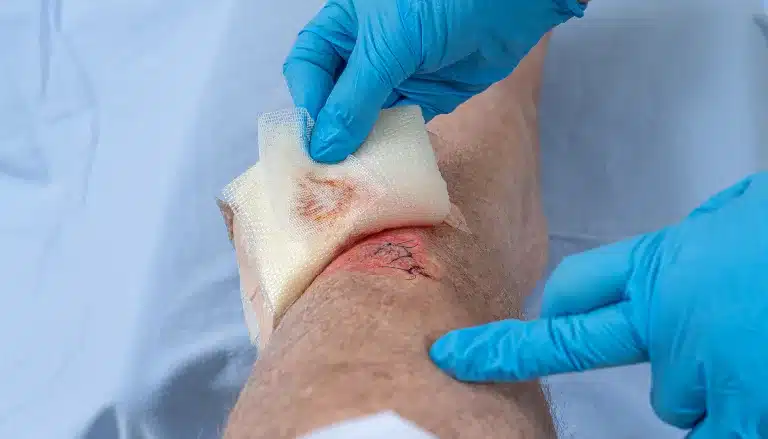
Deemed by The Joint Commission as “one of the biggest challenges organizations face on a day-to-day basis,” pressure injuries are sores that occur from increased or prolonged pressure on the skin and underlying soft tissue.
Sometimes, these sores are called ulcers, explaining why you’ll occasionally hear them called “pressure ulcers.” Yet, the latter is no longer the preferred word to describe these conditions.
Today, the National Pressure Injury Advisory Panel (NPIAP) prefers the term “pressure injury.” The NPIAP finds it more inclusive, as it acknowledges that minimal skin damage by pressure isn’t always linked to a break in the skin or ulceration.
Where Are Pressure Injuries Most Likely to Occur on the Body?
Research shows that adult patients are more likely to develop pressure injuries on the sacrum, heels, and hip. Other common areas of the body include the greater trochanter and ischial tuberosity. These are locations where the bones are closer to the skin, and there’s very little padding in between.
However, this isn’t necessarily the case for infants and children. For them, the back of the skull, also known as the occiput, is the largest bony prominence. As a result, pediatric patients at tertiary care hospitals are most likely to experience pressure injuries on the occiput and ears.
Pressure Injury Stages
There are different levels of staging for pressure injuries. The NPIAP staging system is often used, including the following guidelines for staging.
- Stage 1: The skin is intact, feels warm to the touch, and the area appears red, even when pressure is applied. In individuals with darker pigmentation, the color may look purple or blueish. Some individuals may experience pain, burning, and itching.
- Stage 2: There’s partial thickness dermal loss that may be accompanied by an intact or serum-filled blister.
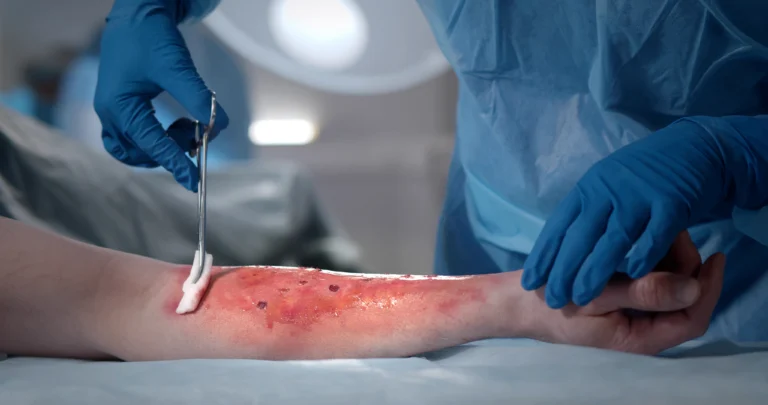
- Stage 3: The patient has full-thickness skin loss. Adipose fat appears in the ulcer. Wound edges may be rolled, and granulation tissue may be present. Practitioners might notice eschar and/or slough. Tunneling and undermining could also occur at this stage.
- Stage 4: There is full-thickness skin and tissue loss. The ulcer exposes the muscle, tendon, ligament, cartilage, or bone. The wound might have a crater-like appearance, with rolled edges and visible slough and/or eschar. Tunneling and undermining might also happen.
- Unstageable: The ulcer’s tissue damage level cannot be determined due to tissue sloughing or eschar formation in the wound bed.
- Deep tissue pressure injury: There is localized deep red, purple, or maroon discoloration. The area may or may not be intact. A dark wound bed or blood-filled blister will be visible if the injured area is open.
The Importance of Pressure Injury Staging
As you can see from the different levels of staging above, each type is distinct and encompasses different symptoms. Therefore, it would be a mistake to treat them all the same. Proper staging is necessary for measuring whether a pressure ulcer is healing, and which therapies practitioners should implement. Like all things health, treating pressure injuries during the earlier stages is always best, as there’s a greater chance of achieving better outcomes.
For now, it appears that most pressure injuries are diagnosed at earlier stages. In a global study with over 2.5 million patients, 43.5% and 28% were documented as Stage 1 and Stage 2, respectively.
Admittedly, however, certain stages of pressure ulcers are more challenging to identify correctly. For instance, one study pinpointed that while stage 2, 3, and 4 pressure injuries are commonly recognized and diagnosed, they share similar characteristics to several other conditions. When pressure injuries are mistaken for another issue, or vice versa, medical complications could ensue from improper treatment. They’re also a source of liability, with research revealing that there’s been a notable rise in litigations relating to pressure ulcers since the 2000s.
What Causes Pressure Injuries?
When pressure is applied to the skin for an extended period, be it from a patient’s body weight or some sort of medical device, it restricts or cuts off blood supply to the area. Without blood supply to the skin, the skin cells will eventually die. If the pressure remains constant and the area is left untreated, the skin may open and become infected.
Other factors, such as the combination of friction and shear forces, excessive moisture, a patient’s nutritional status, and more, can also contribute to the development of pressure injuries.
Risk Factors for Pressure Injuries
A 2022 narrative synthesis that included 67 studies with 679,660 patients revealed several risk factors for pressure injuries in adults. Although the results were mixed regarding statistical significance, researchers highlighted the following as the most significant predictors of pressure injury development:
- Being underweight (a body mass index [BMI] under 18.5)
- High interface pressure
- Increasing/older age
- Being male
- Low physical activity (extended immobility/bedrest)
- Having anemia, diabetes, hypotension, or hypoalbuminemia
- Existing pressure injuries
- Length of stay in intensive care units
Other risk factors include smoking, malnutrition, moisture, and diabetes mellitus.

The True Cost of Pressure Injuries
The Agency for Healthcare Research and Quality (AHRQ) reported that nearly 60,000 patients die annually from pressure ulcers. The agency also disclosed that the expenses associated with caring for each injury range between $20,900 and $151,700, costing up to $11.6 billion annually across the United States. However, that’s not the only way pressure injuries could impact an organization’s bottom line.
The Center for Medicare and Medicaid Services (CMS) identifies pressure ulcers as “never events,” meaning they are so preventable that they shouldn’t happen in circumstances where reasonable care was given. As a result, in October 2008, CMS stopped providing hospitals with additional reimbursement in cases where Stage 3 and Stage 4 pressure ulcers weren’t present on admission.
The burdensome costs linked to pressure injuries and their potential to worsen outcomes can’t be overlooked.
The Gravity of Hospital-Acquired Pressure Injuries
CMS says hospital-acquired pressure injuries (HAPIs) are the most frequent preventable event in hospitals. In fact, they affect 5% to 30% of hospitalized patients. One study found that patients living with pressure injuries have a twofold increase in risk of mortality than those without. Additional data reveals that the 6‐month mortality rate for hospitalized elderly patients with pressure ulcers was 77%, compared with 18% for those without.
They are also the second most common claim in lawsuits, as many associate their occurrence with the facility’s quality of care. Interestingly, even though the mean length of hospitalizations has decreased, the prevalence and costs of pressure injuries are still rising. Even more surprising is that advancements in medical devices and technology may be a factor in their climbing prevalence. While equipment like nasal cannulas and percutaneous pulse oximeter probes are meant to help, they may also cause shearing.
Pressure Injuries Within Long-Term Care Facilities
Older adults are particularly vulnerable to pressure injuries, with their presence able to increase their risk of death. In 2014, an Inspector General identified them as one of the most common temporary harm events reported within nursing home settings. Elderly individuals in these environments may have reduced oxygen delivery and limited mobility and may suffer from nutritional deficiencies, all of which increase the risk of pressure injuries.
How Nurses Can Help Address the Burden of Pressure Injuries
There’s no one-size-fits-all strategy for reducing the incidence of pressure sores, and no single nurse or clinician can prevent them. However, the power of nurses can’t be overlooked. They play a crucial role in identifying at-risk patients and initiating preventive care. Therefore, part of reducing pressure injuries begins with understanding their role and identifying where improvements could be made to better prevent and treat them.
Improving the Consistency of Nursing Interventions
A 2023 study reviewed the different types of nursing interventions used to prevent pressure injuries. Although it was conducted in a Finnish inpatient care setting and not a U.S.-based one, the information obtained was valuable. For instance, researchers shared some of the most common interventions, which include:
- Pressure injury risk assessment
- Skin status assessment
- Use of support surfaces
- Malnutrition risk assessment
- Repositioning
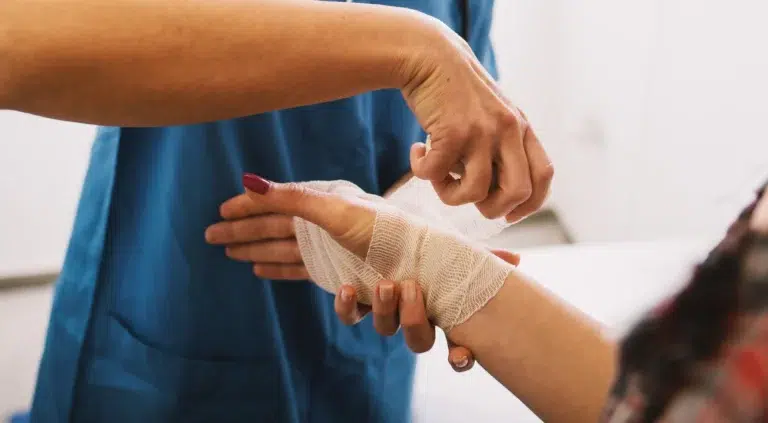
- Preventive skin care (e.g. dressings)
They found that the malnutrition risk assessment was the most frequently performed intervention, while the use of support surfaces was the least frequently used.
Researchers also discovered that the pressure injury risk and skin status assessments were inconsistently performed despite their high importance for prevention. If neither were completed, the risk of a patient developing a hospital-acquired pressure injury increased 15-fold.
Address the Barriers to Pressure Injury Prevention
Due to typical job functions, nurses are often the frontlines in pressure injury prevention and treatment. While nurses understand the importance of preventing pressure injuries, several barriers exist to implementing prevention practices. According to a 2025 study, some of those barriers include:
- Heavy workloads
- Nurse staffing levels
- Insufficient resources
- Knowledge gaps
- Lack of time
Based on the above, addressing the identified gaps in evidence-based nursing practice could help healthcare settings experience fewer pressure injuries.
Technology Can Aid with Pressure Injury Reduction
Clinical staff often try to juggle multiple responsibilities, but technology could help them leverage their capabilities. Consider the following tools.
Clinical Decision Support Systems
Clinical decision support systems (CDSS), which can identify at-risk patients and create personalized prevention techniques, have been shown to positively influence the implementation of prevention practices.
The sub-epidermal moisture scanner (SEM), in particular, is a support system that shows a lot of promise in detecting edema in skin surfaces before there are any visible signs of tissue damage. One study found that data from an SEM assessment influenced a change in clinical decision-making in over 80% of participants whose patients were otherwise not perceived as at risk of a pressure injury.
Sensor-Based Monitoring
Wearable sensors are gaining traction, too, with one study showing that they boost compliance with frequent turn protocols. They also aid in reducing organizational costs and the incidence of hospital-acquired pressure injuries.
Artificial Intelligence (AI)
Clinical teams are supposed to assess a patient’s risk for pressure injury on admission, and then again every 12 to 24 hours. Currently, the Braden Scale is used to help predict a patient’s risk of pressure ulcers. However, this tool is dated, time-consuming, and only has a 54% accuracy rate. AI could be a valuable solution to streamlining this process while also bettering outcomes and reducing healthcare costs. There are, however, a lot of different forms AI can take.
In one study, researchers sought to observe AIs’ ability to predict the risk of hospital-acquired pressure injuries compared to standard care. They developed a machine learning risk assessment model using electronic health record data. Those records included over 35,000 hospitalizations over five years across two hospitals. A predictive algorithm of patient-specific shifts in pressure injury risk over time was established, and the results were astounding.
This predictive analytics AI tool increased prediction accuracy by more than 70%, which is much better than today’s industry standard. Implementing AI could save 30,000 to 90,000 labor hours per year just by assessing pressure ulcer risk.
Ultimately, AI appears to have the potential to enhance operational efficiency, offer considerable savings, and improve patient outcomes.
The Burden of Pressure Injuries: A Fast-Growing Concern
Pressure injuries are a concerning dilemma plaguing many hospitals and long-term care settings. However, as shared here, there are strategies healthcare facilities can use to attempt to reduce their burden. Encouraging pressure injury prevention from the nursing team and embracing technological advancements are just two examples, but several others exist. Healthcare organizations should select protocols that align best with their target audience, as what works for one organization may not work for another.
THE FUTURE OF CARE
Your Guide to Restorative Healthcare Trends
Stay ahead in the ever-evolving healthcare industry with our new Trends Hub. Explore cutting-edge insights and the latest developments shaping the future of care. Your go-to destination for staying informed, inspired, and ready to innovate.